
Table of contents
Digital wallets are no longer a niche fintech product that only some people use due to the high costs, but a generalized financial tool that has transformed how individuals spend, receive money, and pay credit, bills, and conduct business with financial institutions. Contactless payments to real-time budgetary insights are only the tip of the iceberg, though, as these tools have a longitudinal amount of advantages that result in financial management being quicker, safer, and smarter.
This article discusses digital wallet benefits you must be aware of in 2026 and how to choose the best digital wallet.
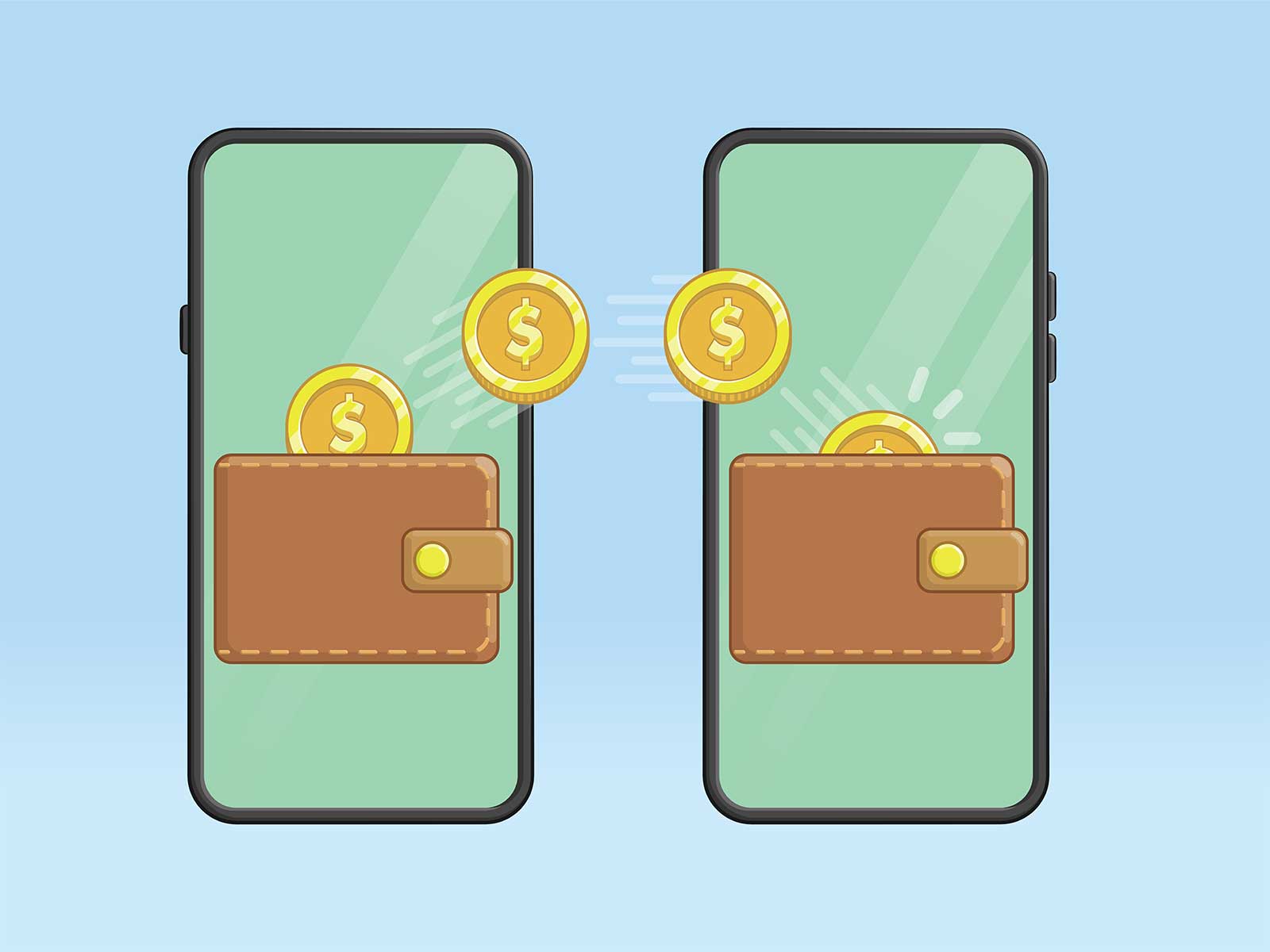
Faster, Contactless Payments
Digital wallets have one of the shortest payoffs, namely speed. Contactless payments and the use of physical cards are avoided, and when it is time to make a payment, users can do so in a few seconds by merely trying to tap or scanning their payment with their hand.
- Contactless: NFC (near-field communication) offers a similar device, which allows paying at the table, thereby shortening the check-out time.
- Connection to online features: Digital wallets can be used to save various payment-enabled plans to enable online shopping.
- Fast transactions: A number of wallets can provide instant transactions, which gives buyers and sellers a real-time confirmation of the payment.
In the case of a business, digital wallet benefits would help them cut down on the checkout lines, lessen customers satisfaction, and boost their sales productivity.
Enhanced Security and Fraud Protection
Digital wallets provide a high level of security in comparison with traditional ways of payment. We have improved encryption and authentication algorithms that minimize theft and fraud cases.
- Tokenization
- Biometric authentication
- Fraud detection
When conducting business dealings and transactions using trusted software such as PayDo, businesses and consumers can enjoy the convenience of the service in addition to a high level of fraud protection, which enables a safe transaction across various devices and networks.
Easier Budgeting and Spending Insights
Other than payments, digital wallets can assist users in managing and keeping track of their finances. Numerous wallets are offering more spending data and budgeting capabilities:
- Categorization of spending reports: Helps users have an idea of how their money is spent.
- Notifications and alerts: Alert on the approaching budget limits or the unusual charges.
- Connection by personal finance applications: Enables one to see a complete picture of revenues, costs, and savings.
These functions enable users to make informed choices about their money and manage it better.
Rewards and Loyalty Integration
Rewards and loyalty programs are one of the mobile payment benefits of digital wallets, and they bring added value to daily spending.
- Moneyback and discounts: There are wallets that will automatically give you a promotion at checkout.
- Reward systems: Respondents can easily redeem loyalty points through the different outlets and also monitor them.
- Exclusive offers: A digital wallet can often partner with the vendors to give deals that are unique.
This type of integration prompts users to store money in their digital wallets and use the maximum amount of it, making it easier to earn points.
Cross-Platform Convenience
Digital wallets were estimated to account for over 50% of e-commerce transactions in 2025. One key strength of the digital wallets is the fact that it works across platforms and devices.
- Mobile phones, smart watches, and tablets: Payments can be done on any gadget, and this makes it more flexible.
- Integration of websites and apps: Customers can make purchases online or in-app, and do not have to fill in their card number several times.
- Single account management: Payment networks and cards, as well as the history of transactions, are available in a single interface.
The ease of use of mobile payments on various platforms is a feature that makes them liked by tech-savvy customers who prioritize efficiency and convenience.
Global and Peer-to-Peer Payments
The digital wallets support international and peer-to-peer (P2P) transactions that make the bridge between local and international businesses.
- International transfers
- Peer-to-peer payments
- Multi-currency
This will particularly matter in the year 2026, when freelancers, remote workers, and foreign companies will be required to remit money using a digital wallet to move the cash securely and swiftly.
Reduced Need for Physical Wallets
Digital wallets imply that we are no longer expected to be reliant on cash and plastic cards, but have a smoother, more convenient financial experience:
- Reduced physical clutter
- Less chance of loss or theft
- Green alternative:
This move toward contactless payments makes life easier and, in line with the emerging popularity of the digital-first financial ecosystem, is expected to be followed by others.
In Conclusion
In 2026, the digital wallet has changed the manner in which individuals handle money as it provides a quicker, safer, and more versatile method of making payments like never before. Such mobile payment benefits as contactless payments, increased security, budgeting information, rewards integration, cross-platform convenience, and international payment functionality are the key tools of consumers and businesses.

Reead is a French travel blogger based in Las Vegas and the founder of Reead.com, a blog launched in 2009. Specializing in miles, points, and travel credit cards, he shares strategies to optimize loyalty programs, earn points faster, and travel in better conditions for less.
He also publishes guides and practical tips for Americans traveling to France, along with analyses of American Express cards and real travel experiences with airlines and hotels.